





Guest blog post from our friend, Jacqueline Johnson:

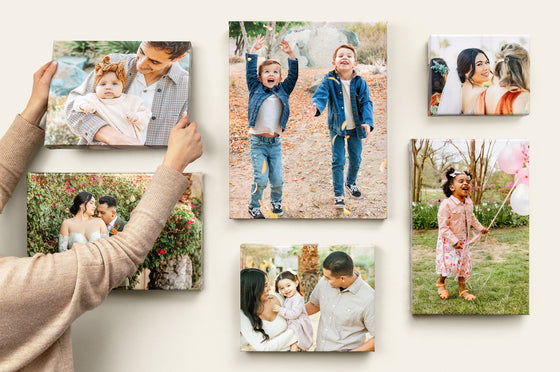
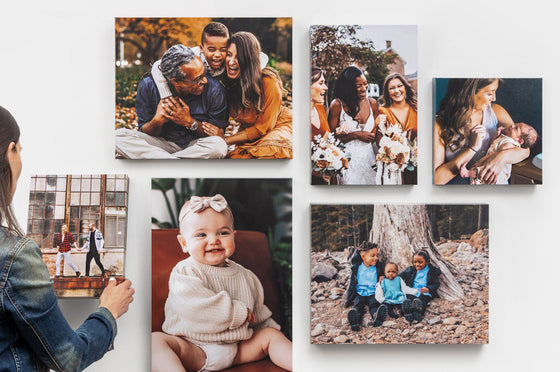
The digital age has shaped nearly every part of our lives, and photography is no exception. We carry thousands of images on our phones tucked away in our pocket ready to scroll through at any moment. Because of this constant access, it’s easy to assume that digital convenience is much better than traditional printed photos. However, printed photos do something a camera roll just can’t do. They anchor us. They remind us of our stories every time we encounter them. When displayed in our homes, they create a sense of belonging, a feeling of importance, and a quiet reminder of what matters most. Better yet, they catch us when we least expect it, a glance on the way to the kitchen or a moment of pause in the hallway, and they can shift our emotions in an instant.

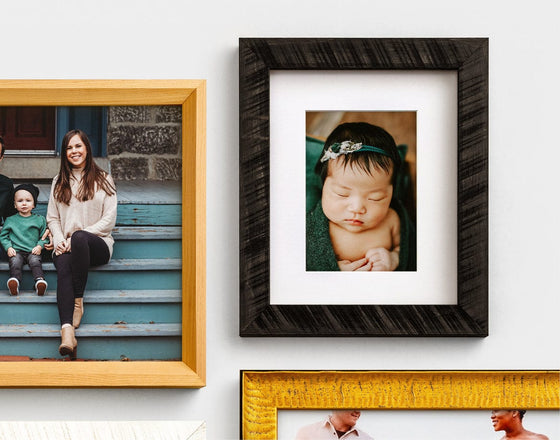
Imagine a child walking down the hallway on their way to school each morning. They pass by their own portrait. Maybe it’s a toothy grin or maybe a shy smile, framed and proudly displayed. Even if they only see it for a second, that tiny moment echoes something powerful: I am loved. I belong here. I matter enough to be on this wall. Psychologists have long noted that children who see themselves represented in their homes experience a stronger sense of identity and emotional security. And it makes sense. When a child sees their face among the treasures of the home, it becomes a visual affirmation of their place in their family’s story.
Or picture a husband at work, glancing over at a small framed photo of his wife on his desk. He’s simply catching sight of the person he loves most. That one glance can center him, calm him, and remind him of his purpose in an instant. Printed photos have a way of grounding us in our relationships, even in the middle of busy days.

Camera rolls, on the other hand, require intention. You have to decide to scroll. You have to sift through digital noise to find the moments that matter. Scrolling through a cluttered camera roll filled with screenshots, grocery lists, and accidental toddler photos, can overwhelm us instead of calm us. Printed photos take us straight to the heart. They exist in our space, quietly offering connection, memory, and meaning.
Many of us can remember walking into a grandparent’s home and seeing the refrigerator covered in photos. The refrigerator’s front holding school pictures, vacation snapshots, and baby pictures. The photos might be old, faded, or slightly crooked, but none of that matters. They’re displayed because they represent love. They represent belonging. They represent pride. Your grandmother didn’t keep that gap-toothed second grade photo because it was the most flattering picture ever taken. She kept it because it was you. And every time she opened her refrigerator, she saw your face and thought of you. Whether she lived five miles away or five thousand, that photo kept you connected to her.

Printed photos strengthen family connection in ways that digital images simply can’t replicate. Photos entice storytelling when they are displayed. The moments spent reminiscing builds emotional bonds and strengthens relationships. When a child points to a framed photo and asks, “Is that me?” or a parent pauses at a gallery wall and remembers a moment long forgotten, those tiny interactions weave families closer together. What’s more, is that this reminiscing isn’t just sweet, it’s scientifically beneficial. Research shows that revisiting positive memories can reduce stress, elevate mood, and increase feelings of connection. Printed photos naturally invite this kind of emotional engagement because they’re easily accessible and visible. They live in our everyday spaces, not buried in digital folders. They become part of the emotional architecture of our homes.
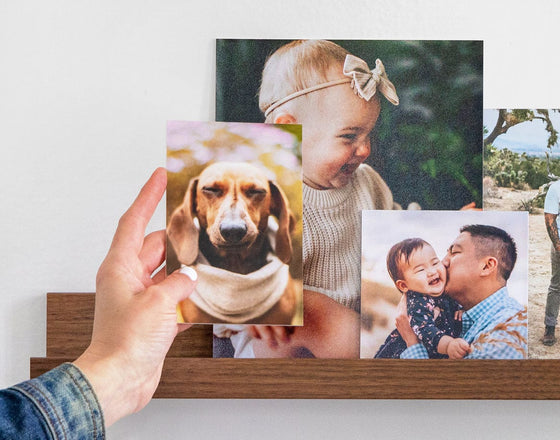
And then there’s legacy, something digital files can fail to preserve. Our camera rolls are overflowing, disorganized, and often lost or forgotten. Photos get lost in old phones, outdated hard drives, or cloud accounts we no longer have access to. Printed photos, however, become heirlooms. They outlive devices, trends, and technology shifts. They become the pieces future generations will hold, frame, and treasure. They become the tangible evidence of a life lived and a people who were loved. Printed photos also help us slow down. In a world that moves fast, where everything is instant and constantly moving, prints ask us to pause. They invite us to notice. They remind us to appreciate the beauty in ordinary moments like a toddler’s laugh, a baby’s sweet smile, a special holiday, or a family huddled close. They turn fleeting seconds into lasting treasures.
So yes, digital photos are fast, accessible, and easy to share. But printed photos? They’re powerful. They’re grounding. They’re emotional. They’re the pieces of our story that we can hold in our hands, display in our homes, and pass down from generation to generation. Printed photos matter, not because they’re perfect, but because they’re real and their stories matter. They’re tangible reminders of love, belonging, and connection. And in a world that often feels rushed and disconnected, that kind of reminder is something worth holding onto.- By Jacqueline Johnson, Depth of Field Photography